

Blogs
Follow Sinoma Energy Saving to learn about the latest information of the company
"Seven questions" rock wool exterior wall insulation system
Release date:
2021-08-02
Author:
Source:
External Wall Insulation Alliance
Rock wool, as an important material for building energy conservation, has both thermal insulation and fire prevention performance, which can not only achieve building energy conservation but also protect the safety of people's lives and property, and achieve a win-win situation of building energy conservation and fire safety. However, many people do not understand the rock wool exterior wall insulation system and even there are some misunderstandings.
Building energy efficiency is a basic national policy of our country. The State Council's "Green Building Action Plan" and the national standard GB8624-2012 the mandatory standard of "Building Materials and Products Combustion Performance Classification", emphasizing that thermal insulation materials must be efficient and energy-saving, and fire safety and reliability.
Rock wool, as an important material for building energy conservation, has both thermal insulation and fire prevention performance, which can not only achieve building energy conservation but also protect the safety of people's lives and property, and achieve a win-win situation of building energy conservation and fire safety. However, many people do not understand the rock wool exterior wall insulation system and even there are some misunderstandings.
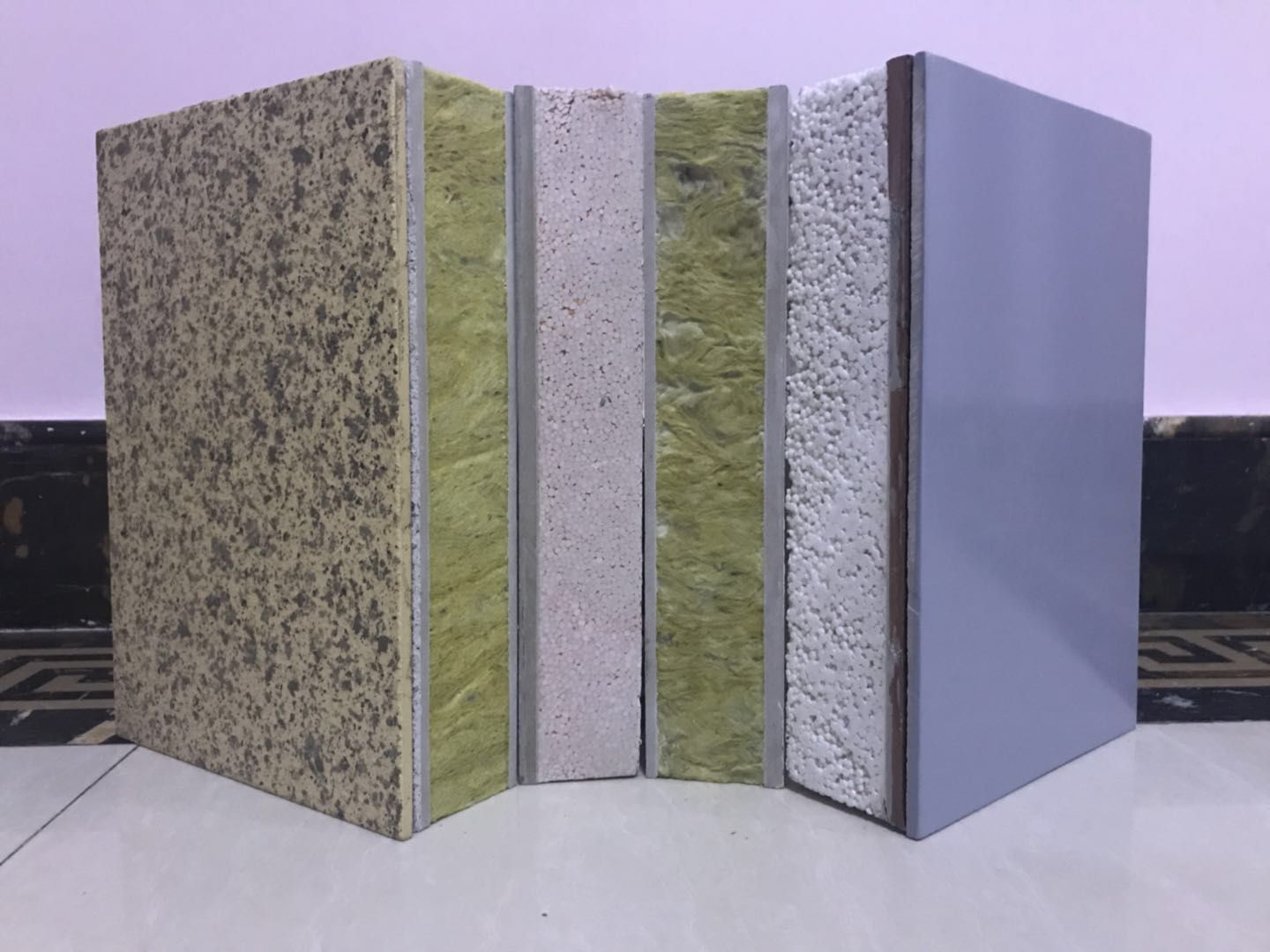
Question 1: what are the advantages of rock wool in building insulation and fire protection?
Answer: Building fires are very scary things that no one wants to see. Rock wool itself is a silicate fiber inorganic material, non-combustible, rock wool with thermal insulation, belongs to a class of fireproof materials. In the use of rock wool fire insulation board, not only to ensure the effect of insulation, while fire performance in line with fire standards. To do a good job in the fire prevention of external wall insulation, the following points need to be done. One is to strictly implement various fire protection regulations and strictly implement the fire protection system. Select good thermal insulation materials, take fire prevention measures at the primary stage of the use of thermal insulation materials, and monitor the construction process at the intermediate stage of the use of thermal insulation materials to prevent the possibility of various fires. After making the external wall thermal insulation system of thermal insulation materials, make correct use of the thermal insulation system and prevent fire.
Question 2: To use rock wool products with good thermal conductivity and fireproof, does it mean that the requirements for tensile strength, water absorption and durability must be reduced?
Answer: The high-quality rock wool produced in China can fully meet all the requirements of tensile strength, water absorption, durability and thermal insulation performance, and it belongs to Class A non-combustible materials. In most applications, the thermal insulation performance of rock wool is comparable to that of polystyrene board, and even exceeds that of polystyrene board in some applications.
Question 3: What is the external wall insulation system? Can rock wool be applied to the external wall insulation composite system?
Answer: Exterior wall external insulation system refers to the use of a certain fixed way (bonding, mechanical anchoring, spraying, pouring, etc.), the thermal insulation material with low thermal conductivity (thermal insulation effect is better) and the building wall fixed one, increase the average thermal resistance of the wall, so as to achieve the thermal insulation or insulation effect of an engineering practice.
Rock wool exterior wall insulation system has the advantages of low thermal conductivity, good air permeability and high combustion performance. It can be applied to the energy-saving insulation engineering of new, expanded and rebuilt residential buildings and public building exterior walls, including exterior wall insulation, non-transparent curtain wall insulation and fire isolation belt of EPS external insulation system. It is used with thermal insulation materials whose combustion performance is less than Class A to improve the fire protection function of the exterior wall of the building. Rock wool is an excellent exterior thermal insulation composite system insulation products, not only that, because of its non-combustible performance, rock wool or a building fire safety solution, is regarded as the first choice of high-rise building materials and solutions, these are fully reflected in the EN13500 and ETAG004 standards. The flammability of foam insulation products will cause great risk and damage to people and property, so Europe and the United States do not allow the use of this material in high-rise buildings.
Question 4: In Europe, such as Germany, rock wool in all exterior insulation composite system applications account for only a small market share?
Answer: In Germany, for high-rise buildings above 22 meters, the market share of rock wool in the exterior insulation composite system is 100. Rock wool accounts for 5.6 percent of all exterior insulation composite system applications, but this statistic includes the most common building in Europe: low-rise single-family homes, which are not comparable to the high-rise structures prevalent in China.
Question 5: What is the difference between rock wool and slag wool?
Answer: Rock wool and slag wool belong to different products. The main component of slag wool is slag, which has the characteristics of high slag ball content, low melting point and acidity coefficient. Therefore, the thermal conductivity of slag wool is high, and it will have serious thermal shrinkage in case of fire.
Slag wool is usually not used in projects with fire protection requirements. And slag wool can not meet the application of external wall thermal insulation composite system, so it should not be applied to the external wall thermal insulation composite system.
Question 6: Will rock wool cause damage to human health?
Answer: Of course not. Some organizations (such as the World Health Organization) have conducted a large number of studies on whether rock wool fiber is carcinogenic, and the results clearly show that rock wool fiber is not carcinogenic. The results of the study are: insulating glass wool, continuous glass wool, rock wool and slag wool are not classified as human carcinogens (category 3) ". Carcinogenicity studies of rock wool are well known, and reports of these studies are public. In addition, in terms of health issues, we are not aware of any rock wool application restrictions.
It is worth mentioning that HBCDD, a flame retardant used to make certain foam products reach B1 level, is a PBT substance (persistent, bioaccumulative, toxic substance). The European Union's General Administration of Chemistry decided earlier to include HBCDD in substances of special concern (SVHC). From production to installation and removal, mineral wool (including rock wool) can be excluded as a hazardous material.
Question 7: Will the rock wool production process consume a lot of energy and produce a lot of emissions?
Answer: All or most of the production waste of modern factories is recyclable, and the remaining waste is treated to minimize emissions. The energy consumption saved by a unit of rock wool in its use is one hundred times higher than its energy consumption in production. Manufacturing 1kg of rock wool consumes about 20MJ of energy, while manufacturing 1kg of polystyrene board consumes at least 85MJ. The raw materials for the manufacture of polystyrene boards are basically fossil fuels such as oil and gas, while the manufacture of rock wool only needs to use very ordinary rock (basalt), and its available reserves are almost unlimited.
Keywords:
Latest Updates

Contact Information
Phone:400-906-6996 (Contact Number)
Phone:86-13545719507 (Mr. Shao)
Email:baifeng@sinoma-ec.cnlijie@sinoma-ec.cn

WeChat Official Account

WeChat Video Channels

Official TikTok

Product Color Chart